
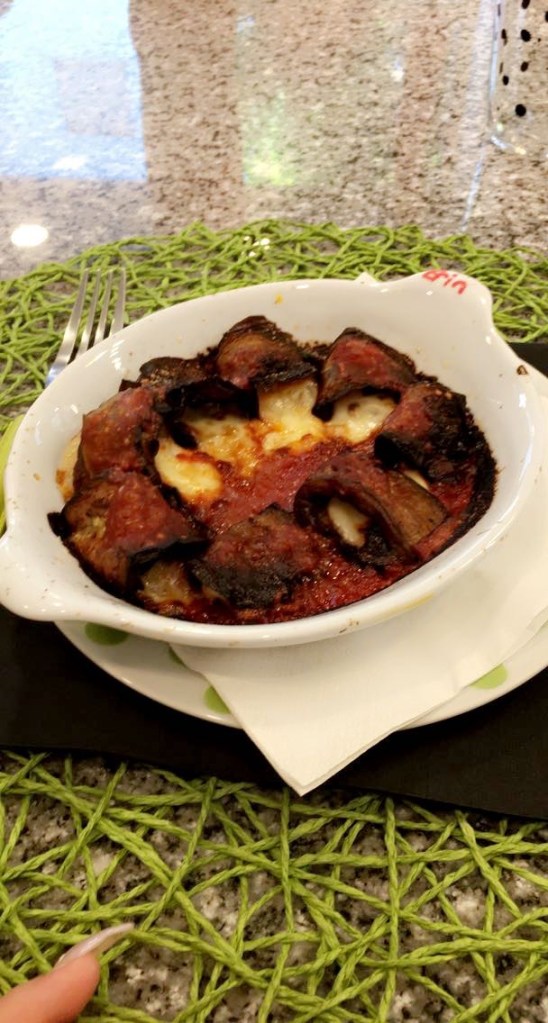
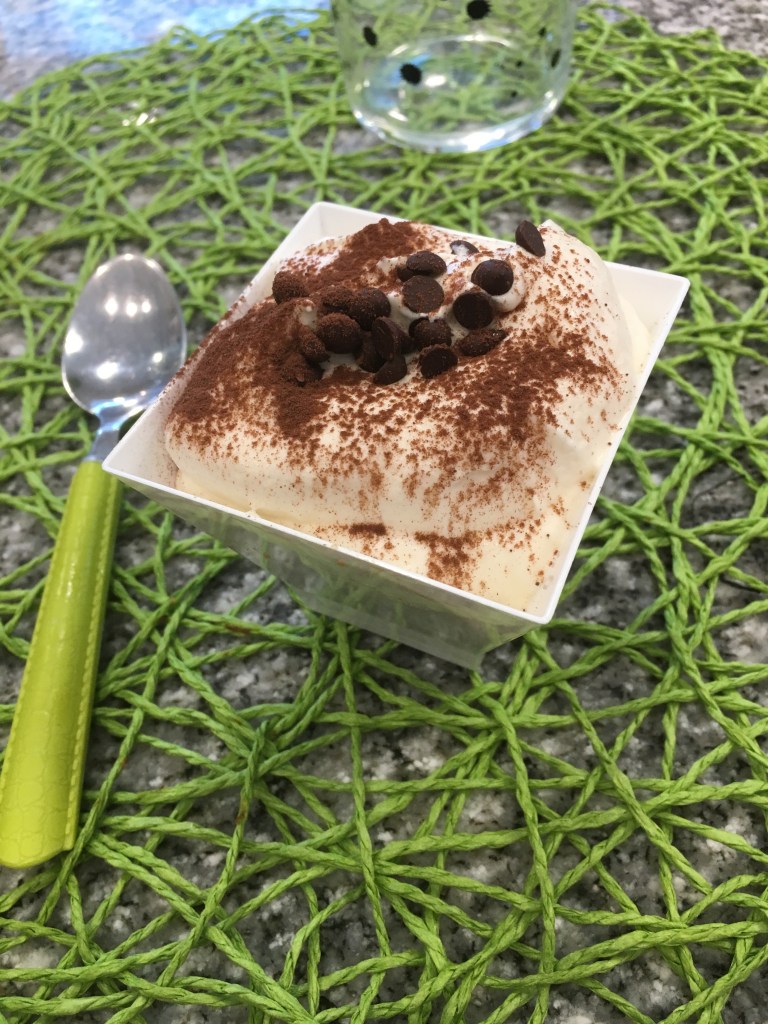
When people think of Italy, they often think of food. Whether it’s pasta, pizza, gelato, or espresso. What they don’t realize is the quality is better than what you’d find in the U.S. When it comes to food safety, the Italian government has strict procedures in every aspect of food production; as well as standards set by the European Union. Needless to say, the culture around food is completely different than the U.S. Italians care more about quality than quantity by using less ingredients to create a dish; and base their meals off of what’s in season and fresh in the area.
European Regulations
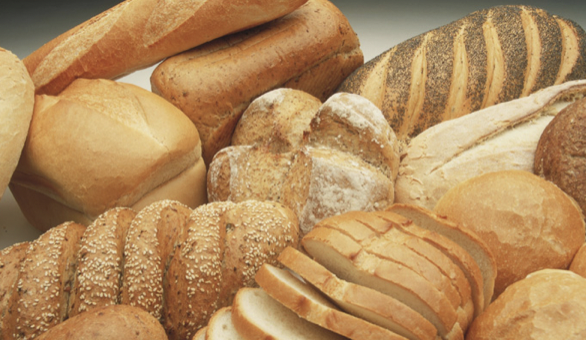
The European Food Safety Authority, or EFSA, regulates food in Europe. Their most important food law is regulation 178/2002, that highlights the risks that producers should be looking for. Since food laws in Europe are stricter, there are many additives banned in Europe that you could still find in the U.S. Europe also limits the amount of drugs used in farm animals, and the cultivation of genetically modified foods. Some of the additives banned include potassium bromate, BHA, brominated vegetable oil, and certain food dyes. Potassium bromate is commonly added to baked goods, but isn’t required. They’re banned in Europe because they may cause cancer. In recent years, some American restaurant chains have responded to consumer pressure and removed them from their food. BHA is subject to severe restrictions in Europe but widely used in American food products. This flavor additive is listed in a United States government report on carcinogens as “reasonably anticipated” to be a human carcinogen. Essentially, BHA hasn’t been proven to be harmful but the EFSA isn’t taking any chances. The most notable drugs used on animals that won’t be found in Europe are bovine growth hormone and ractopamine. Bovine is used in the U.S. dairy industry to increase milk production. Ractopamine is used to increase weight gain in pigs, cattle and turkeys before slaughter. Only additives proven to be non-harmful are approved for use in Europe, while in the U.S. food additives are innocent until proven guilty.
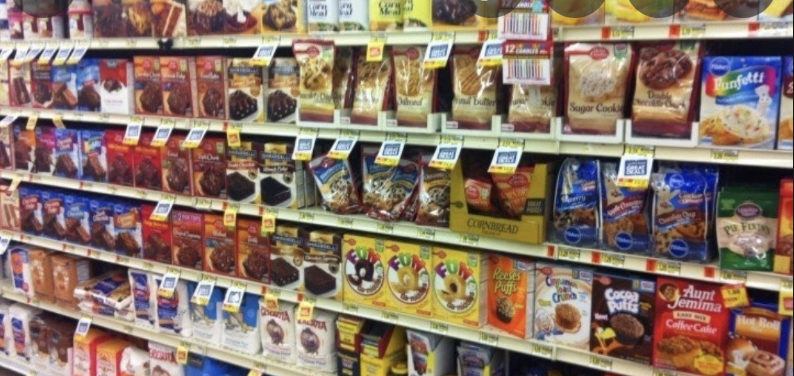
Another difference between Europe and the U.S. is how additives are listed under the nutrition facts. While the U.S. lists the full names of additives that are hard to pronounce, Europe uses codes to identify common additives, known as an “E number.” For example “Sodium Caseinate” would be declared as is in the ingredient list of a U.S. food label, while on an EU food label, it is “E469.” For European companies that want to export products to the U.S. the FDA won’t allow them if there’s an E number on the label.
Italian Regulations
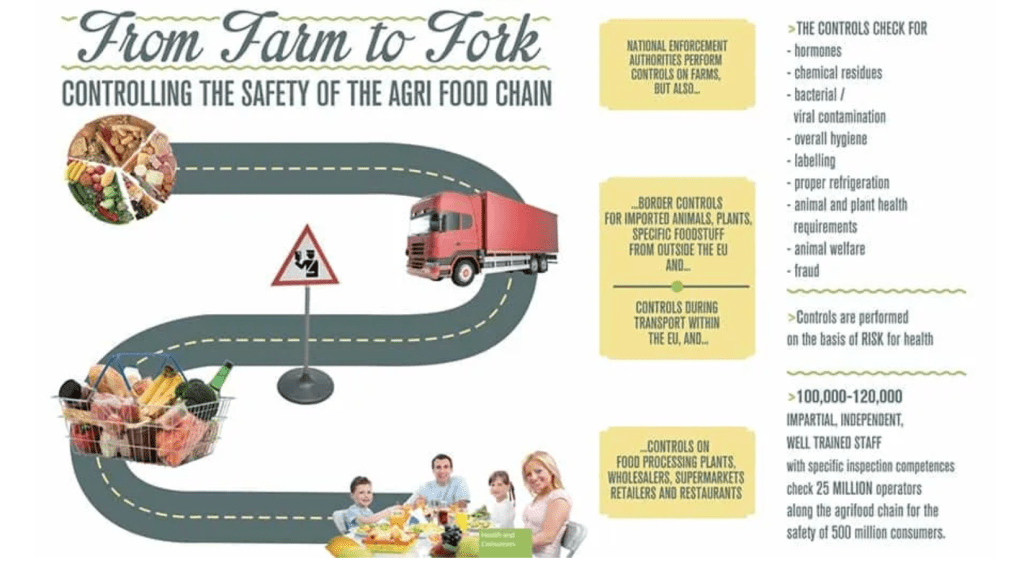
he Italian Ministry of Health, or MOH, is the central institution of National Health Services dealing with issues including public and veterinary health, food hygiene and safety. The Ministry of Health is organized in a General Secretariat and 12 Directorates-General. The three directorates that deal with food safety laws are the Directorate-General for animal health and veterinary medicinal products (DGSAF), Directorate-General for hygiene, food safety and nutrition (DGISAN) and Directorate-General for collegial bodies for health protection (DGOCTS). The DGSAF is responsible for establishing plans for the eradication of animal diseases and guidelines for the control of animal welfare on farms. This happens by ensuring effective controls on imported animals, food of animal origin, and feedingstuffs at the Border Inspection Posts. The DGISAN deals with many aspects of food safety such as food production and marketing, control plans of the food chain, food supplements, herbal products for food, nutrition labeling and education, health aspects related to food technology and genetically modified organisms; to name a few. The DGOCTS works directly with the EFSA and in collaboration with the DGISAN. They’re responsible for the physical, chemical and biological risk assessment for food safety. It is also the national contact point for the Food Safety National Committee.
The most well-known food safety standard in Italy is “Hazard Analysis and Critical Control Points,” or HACCP. This system works to spot where dangers could happen in the entire food production process. This includes production, processing, packing, distribution, trade and consumption. A standard that’s often used alongside this is ISO 22000. Although it’s not required, it’s an international norm across Europe. Some basic food principles used are:
- Food safety must be ensured during all the food chain
- Manufacturers are the main responsible for their products
- The consumer has an active role in food safety
- Operators must intervene using the “Rapid Alert System for Food and Feed” (RASFF)
- All products must be traceable
Food products are checked using “good manufacturing practices” or GMPs. Basically, they check the products that come into any contact with food. For example, they could be bottles, cans, cardboard packaging, etc. Essentially, the Italian government has multiple regulations for food that all work together, on top of the food standards set by the EFSA.
Bringing Italy to the U.S.
Although it seems tough to avoid the food additives used in the U.S. a good place to start is planning meals around what’s in season. This way, the produce won’t contain pesticides or chemicals to keep them fresh longer. Some fruits and vegetables currently in-season include blueberries, broccoli, cantaloupes, green onions, potatoes and much more. Another way to eat like an Italian is to shop locally for groceries and eat at local restaurants. I’ve traveled to Sorrento a few years ago and since it’s on a peninsula, they offer seafood of all varieties. Also, lemons are grown year-round so they’re used in any dish possible.
Sources
https://www.frontiersin.org/articles/10.3389/fnut.2021.787982/full
https://eur-lex.europa.eu/legal-content/EN/TXT/?uri=celex%3A32002R0178
https://www.thespruceeats.com/florida-seasonal-fruits-and-vegetables-2217174
 Erin Byrnes
Leave a comment