
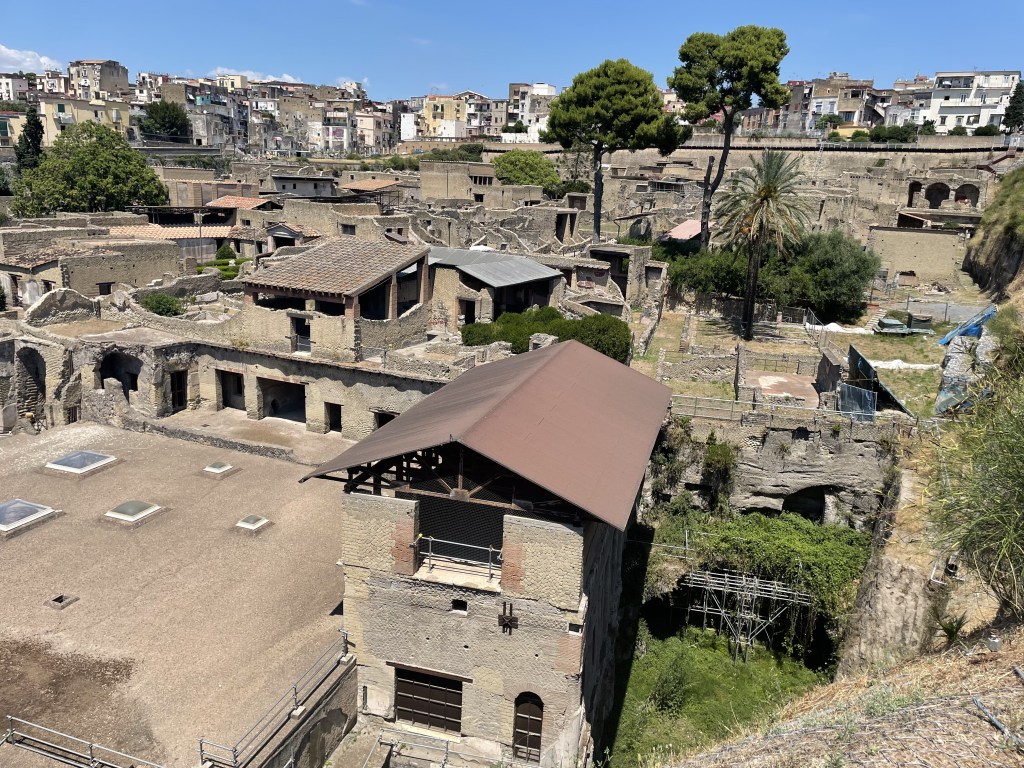
Although Mount Vesuvius is a great resource to people of the Amalfi coast, it also poses a danger that people in ancient times weren’t aware of. In 79 A.D. the volcano erupted; expelling huge clouds of volcanic ash into the air, followed by pyroclastic flow, a combination of ash clouds and volcanic debris registering at around 900 degrees fahrenheit. Pompeii was hit with the ash clouds and Herculaneum was struck with pyroclastic flow, estimated to be traveling at 80 miles per hour (Simmonds, 2017). Although Pompeii was the first city to be perished at the time, Herculaneum’s ruins were discovered first in 1738 when a local well was being dug. The first thing found from the ancient city were statues, now known as the “Herculaneum Women.” These statues were actually located next to the city’s theater. When the Prince found out about the discovery of these statues, he bought the land and financed the construction of tunnels to find out what else was buried beneath their feet. Pompeii wasn’t discovered until ten years later. Both of these excavations sparked a new interest in ancient things, now known as archaeology.
A city under a city
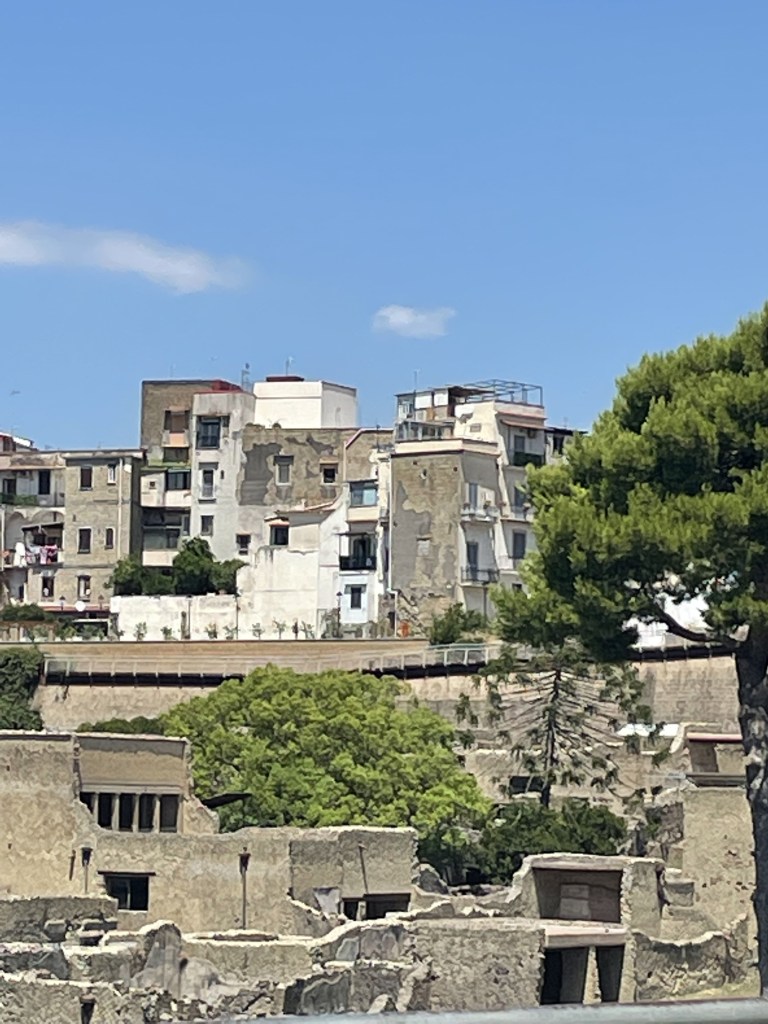
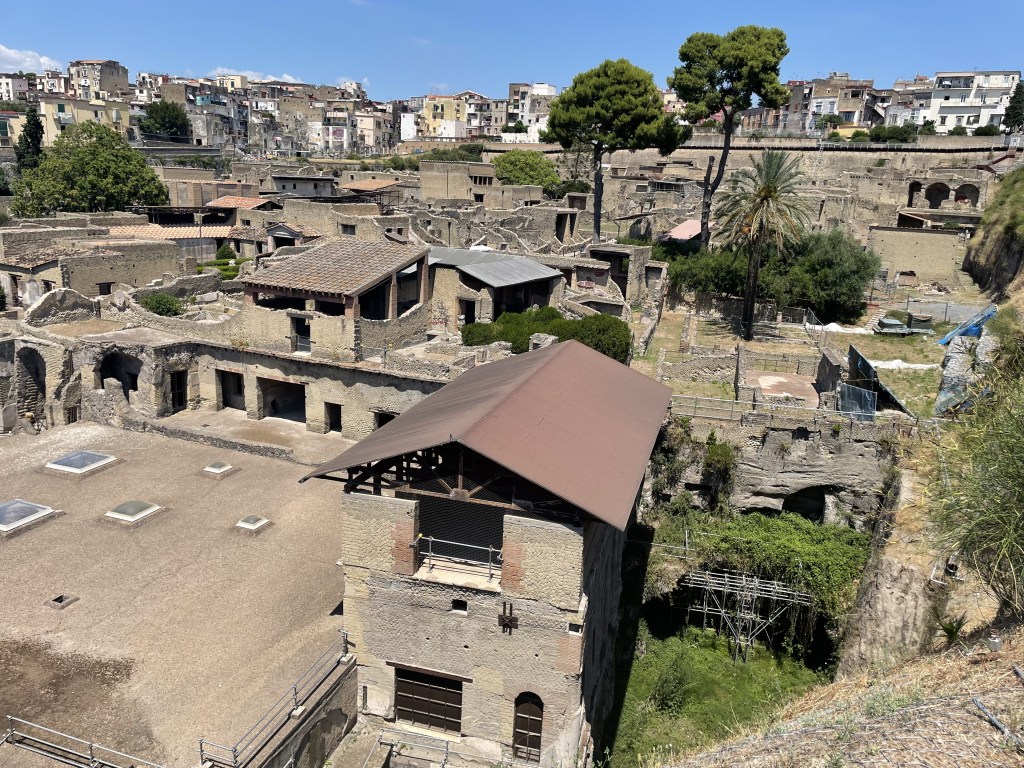
Although Herculaneum was destroyed by the pyroclastic flow of Vesuvius, that wasn’t the only natural disaster the ancient city endured. The city was actually sealed in time by a mudslide over 50 meters. Over time, the combination of volcanic ash, pumice and water was solidified explaining why Herculaneum appears to be buried under the modern city.
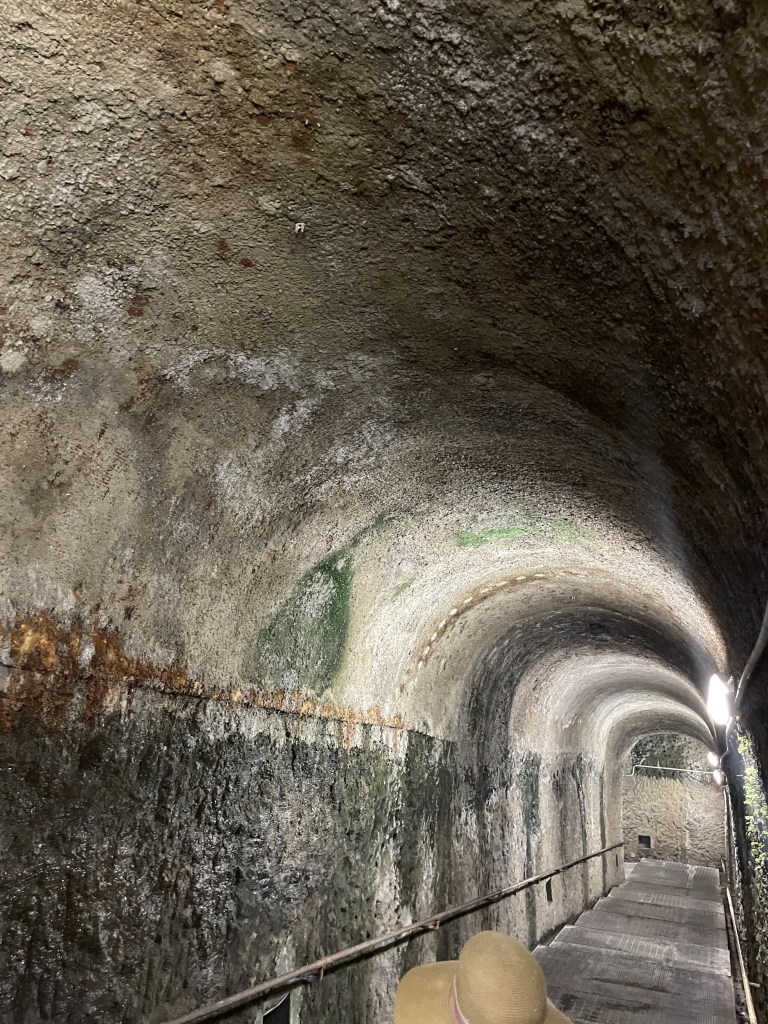
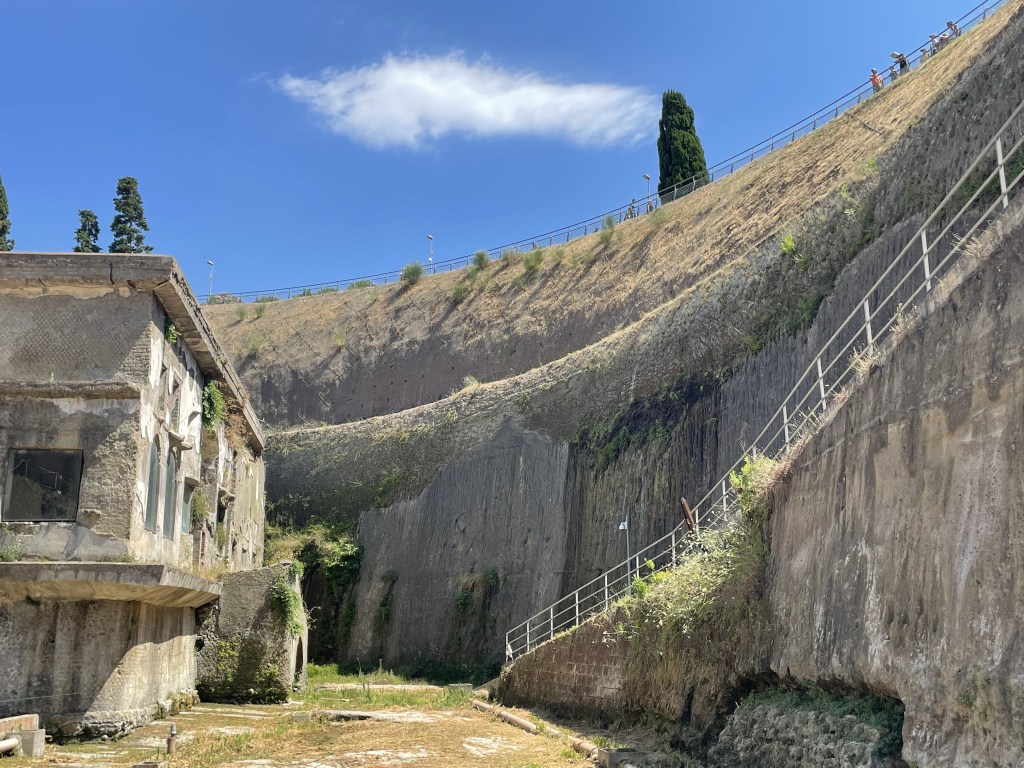
This makes Herculaneum more difficult to excavate than Pompeii because in order to dig through the whole city, it would cost a lot of money to move the current inhabitants from their homes.
Hercules and Herculaneum
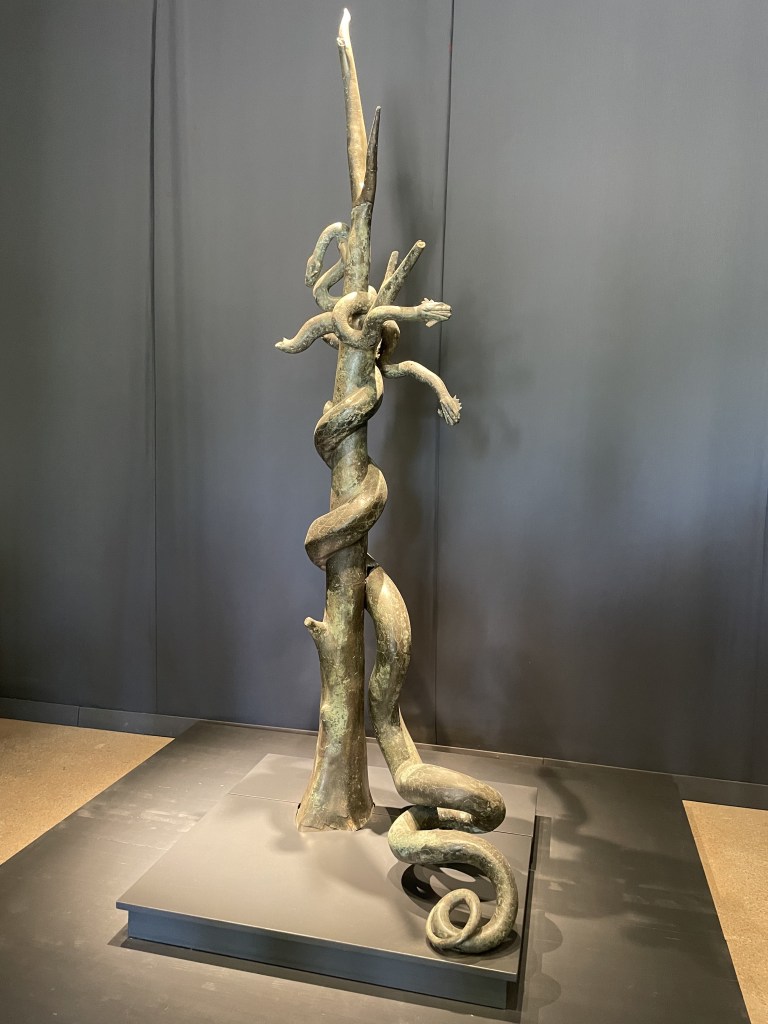
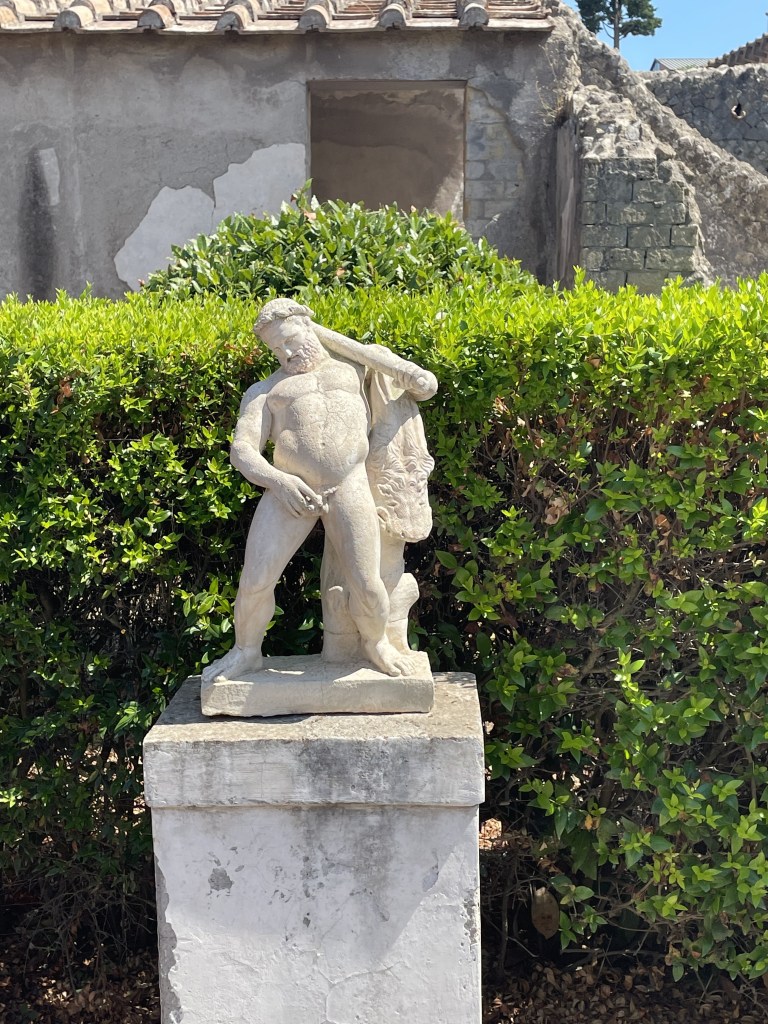
Herculaneum was actually connected to the legend of Hercules, a story about a demigod who had to complete trials during his time on Earth to achieve immortality. It’s been said that he saw this plot of land between Vesuvius and the sea and wanted to build a city there. The statues and artwork of Hercules, along with the city’s name, suggests the city had some Greek origins. It is known the people of ancient Herculaneum were Pagan and worshiped many gods, but some of the most notable artwork references Hercules. He’s always seen holding a club and has a bear skin draped over his shoulder.
A seaside City
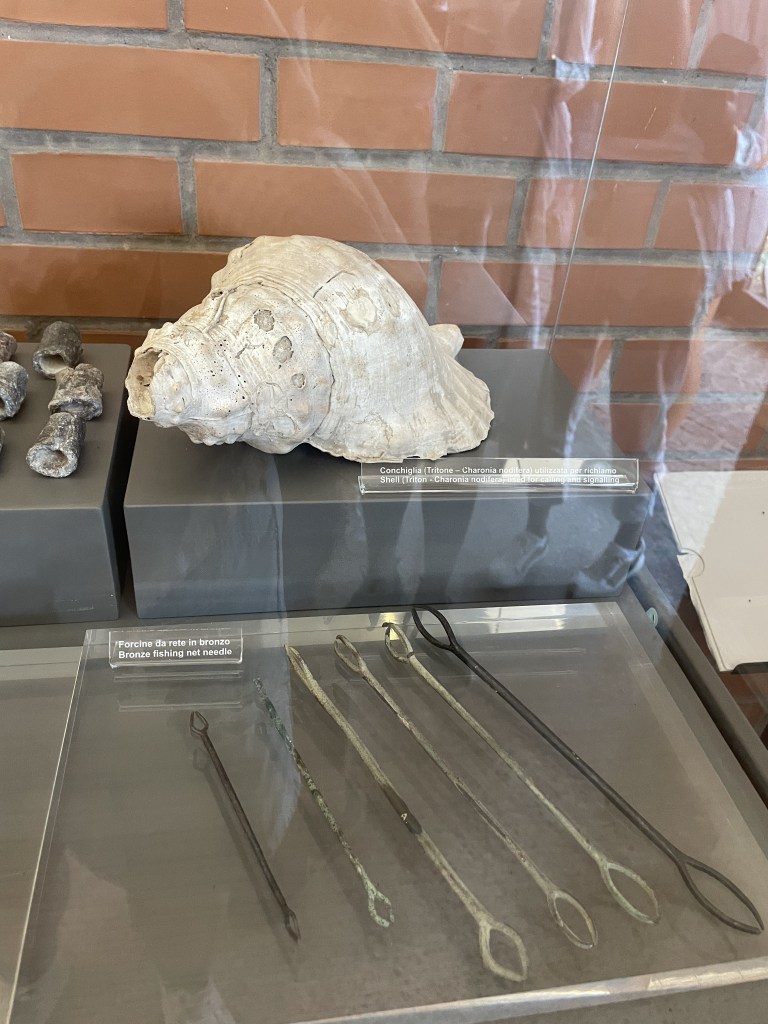
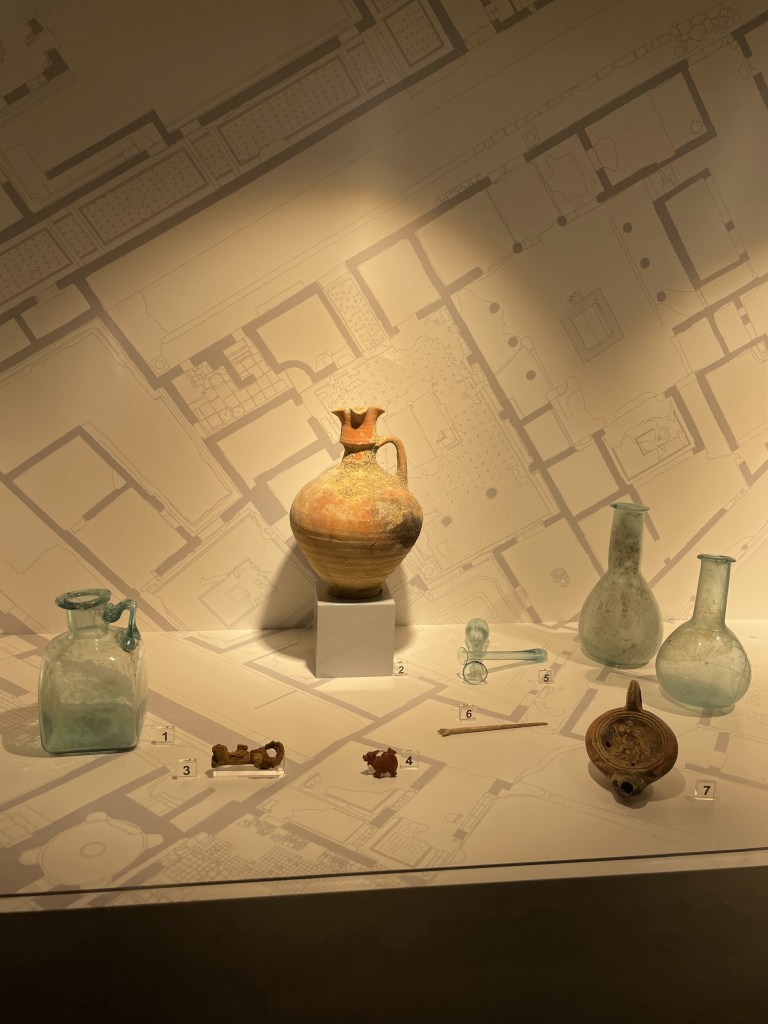
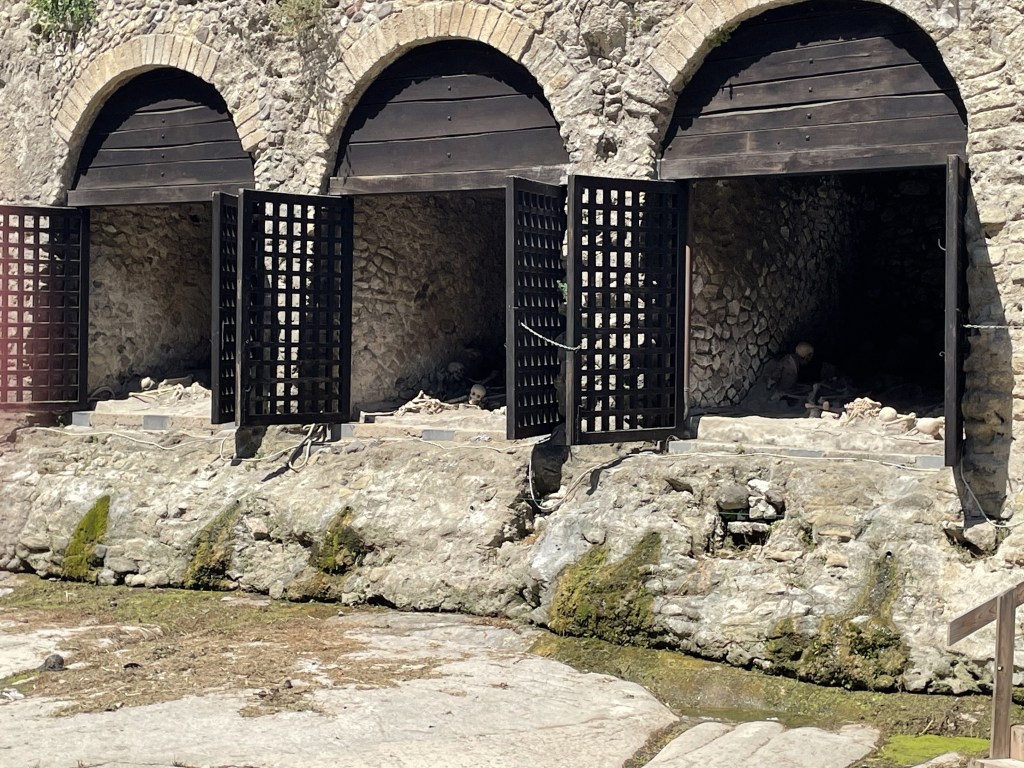
As previously mentioned, Herculaneum was actually located on the sea before the eruption. Archaeologists found an overturned boat and a boathouse that housed 300 skeletons of people that tried to escape the eruption. Since part of the boat was missing, it’s believed that the boat was broken before the people tried to leave which is why they were stuck on the shore. Archaeologists also found many valuable items they tried to escape with including jewelry, cloths, olive oil lamps and even medical equipment.
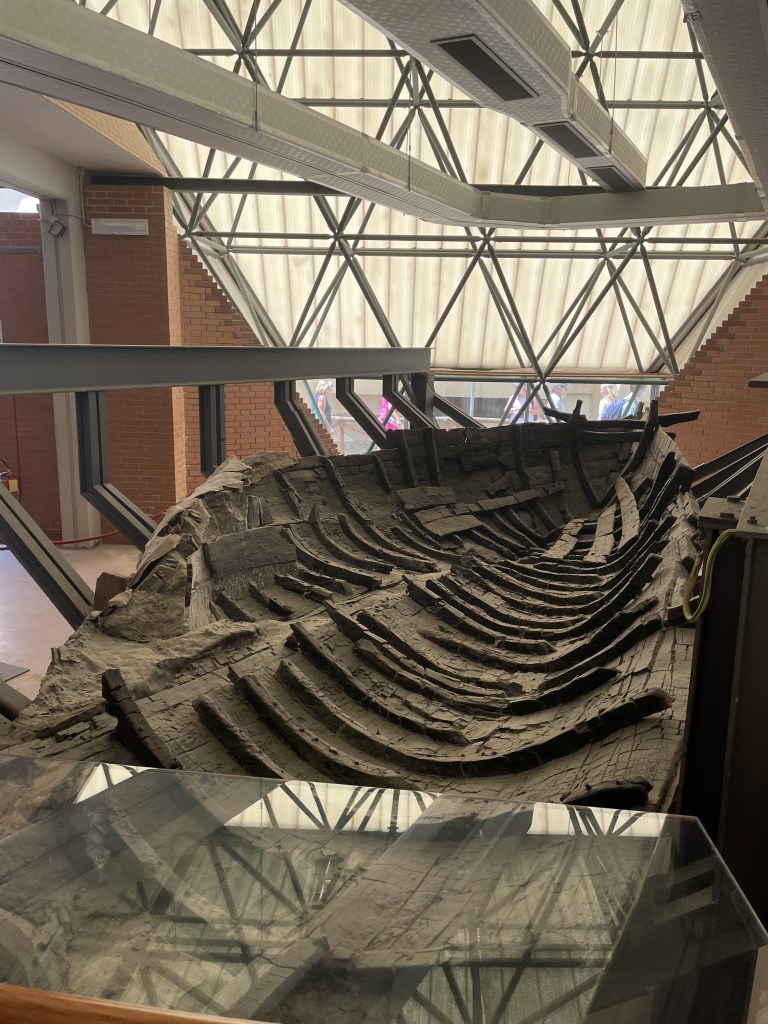

The skeletons are still in the ancient boathouse and are visible to the public.
Opolantis
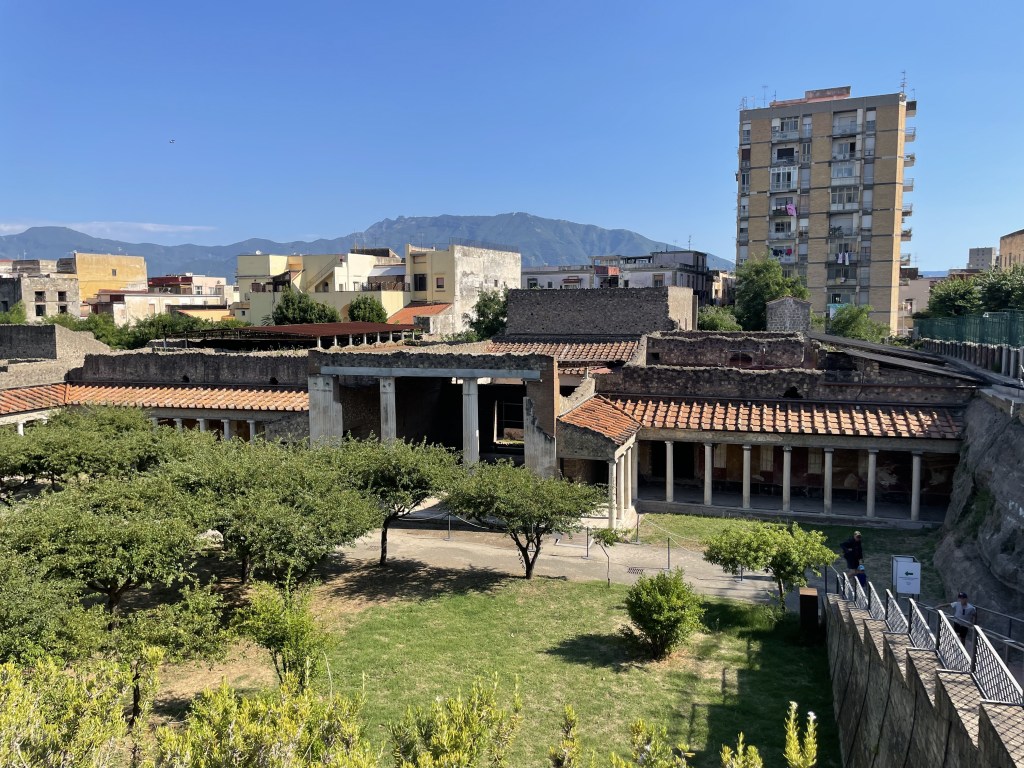
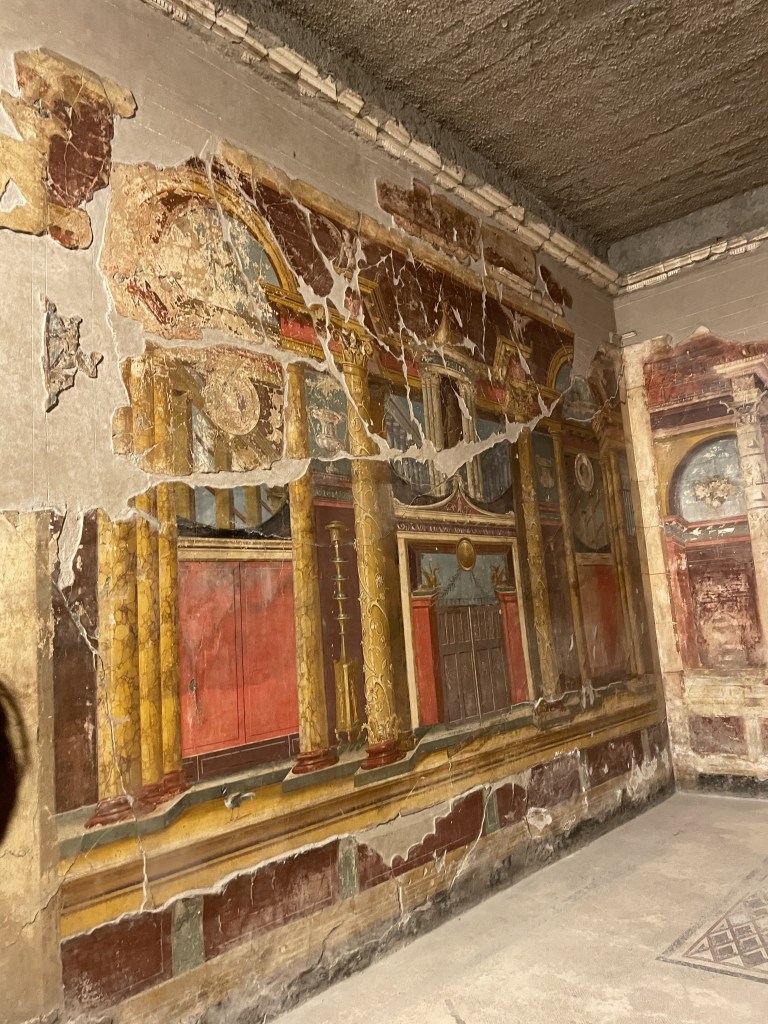
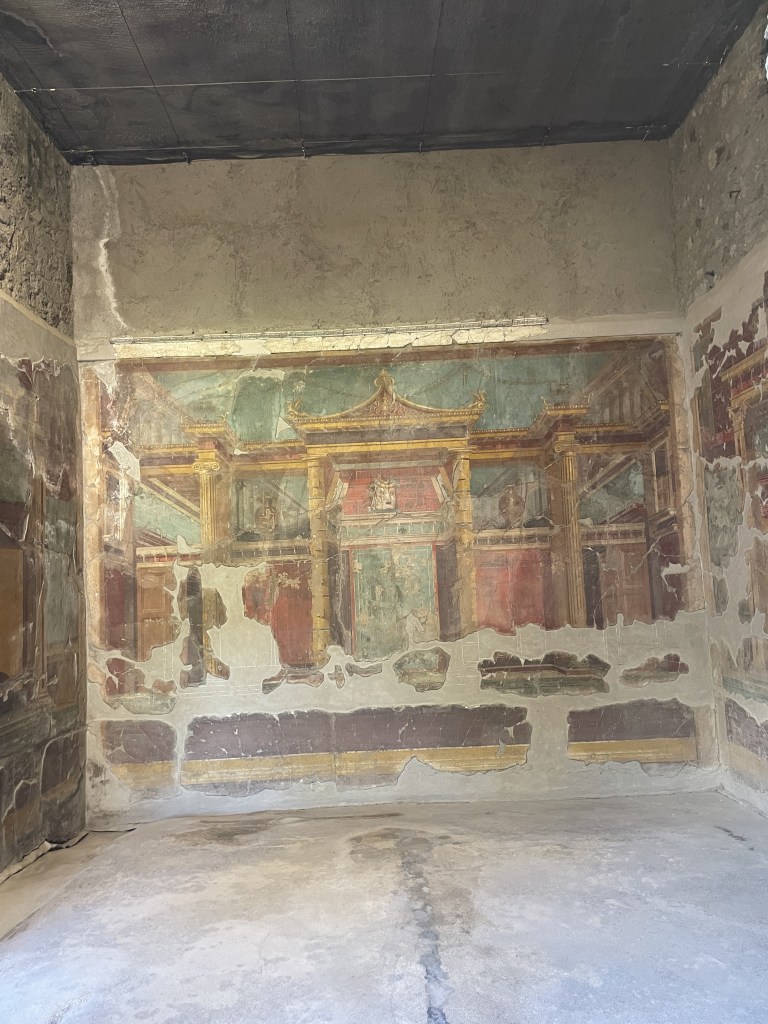
Along with Herculaneum and Pompeii, Opolantis was another area devastated by Vesuvius and sealed in time. This ancient building was also known as Villa Poppea, after Nero’s second wife. It’s believed Opolantis was her home when she was away from Rome. This is shown by the extravagant paintings on the walls that are still in color today. The site wasn’t excavated until the 1964, and sadly they had to stop toward the southern part of the villa because it’s under the modern city of Torre Annunziata.
Effects of the Eruption
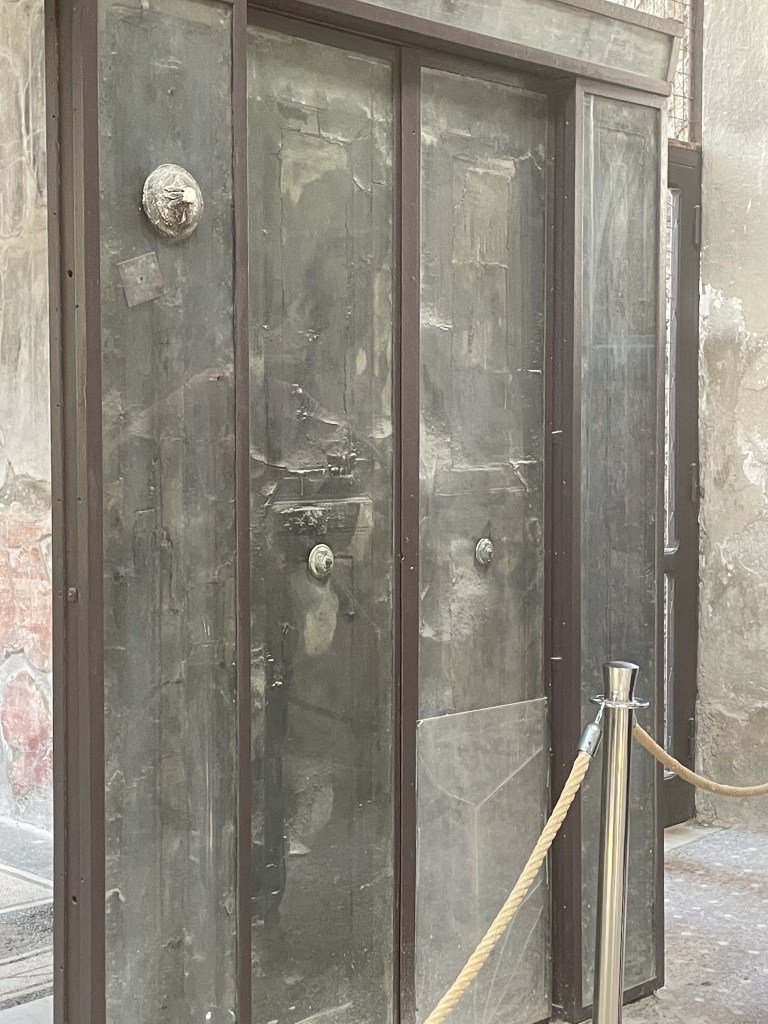
Although all three of these sites were sealed by the same eruption, they were effected differently because of the different elements they were exposed to. Since Pompeii was hit with the ash cloud, ceilings of the buildings collapsed. However with Herculaneum, a lot of roofs are intact. There’s even wood in the support beams that still stand, they’re just black from the heat. The same goes for Opolantis, many of the ceilings of rooms are standing today. Basically Pompeii was destroyed from atmosphere down, and Herculaneum and Opolantis were destroyed from the ground up.

“The ancient towns of Pompeii and Herculaneum, as well as the villas in Opolantis, engulfed by Vesuvius’s eruption on 24th August 79 AD, give with their impressive remains a vivid and full evidence of the society and daily life, without any comparison all over the world.”
Seen outside of the villa of Opolantis
These sites give a glimpse of ancient societies and exposed many parallels between them and modern societies.
 Erin Byrnes
Leave a comment