
Food plays a significant role in Italian culture. From people carving out two to three hours for lunch and dinner, to the emphasis on eating what’s fresh and in season. Along with strict food regulations across Europe in terms of preservatives, Italian food boasts better health benefits especially to traveling Americans. However, it’s been noticed that food is such an important part of the culture; the diet trends seen in the US are scarce in Italy, especially in the south. This has everything to do with the nature of the lifestyle. In the small town of Sorrento, the streets are so narrow cars can’t make their way through them, and people are used to walking long distances every day.
Southern Italian Food Culture
Italian cuisine is never taken for granted. This is seen in restaurants where waiters don’t come to your table constantly. People are given plenty of time to enjoy their food, often in courses, and chat at their tables until they’re ready for the check in which they’ll ask their waiter. When people eat in courses, they’re given a lot of time between them to give the body time to digest before the next course of food. Mattie John Bamman talks about this in an article breaking down every course of a typical Italian dinner.
“I didn’t think I could eat any more, but Gabriele laughed and told me to find my second stomach. Somehow the suggestion helped, and when a big bowl of prawns was set before me, I managed to slowly peel the shells and eat. Cooked in tomato broth with oregano and served five to a bowl, the prawns were as red as lobsters and seemed half as big. Getting off the shells was a messy business, but I was glad to exert the effort, which gave me time to digest and maybe even burn a few calories. Thankfully, my second stomach had opened”
Bamman, 2022
Although the example was from the perspective of a sit-down dinner, it’s common all over Italy for dinners to take place like an event. Around three hours in length, it’s truly a time for people to wind down and enjoy each other’s company while indulging in recipes of the region.
Fried Food
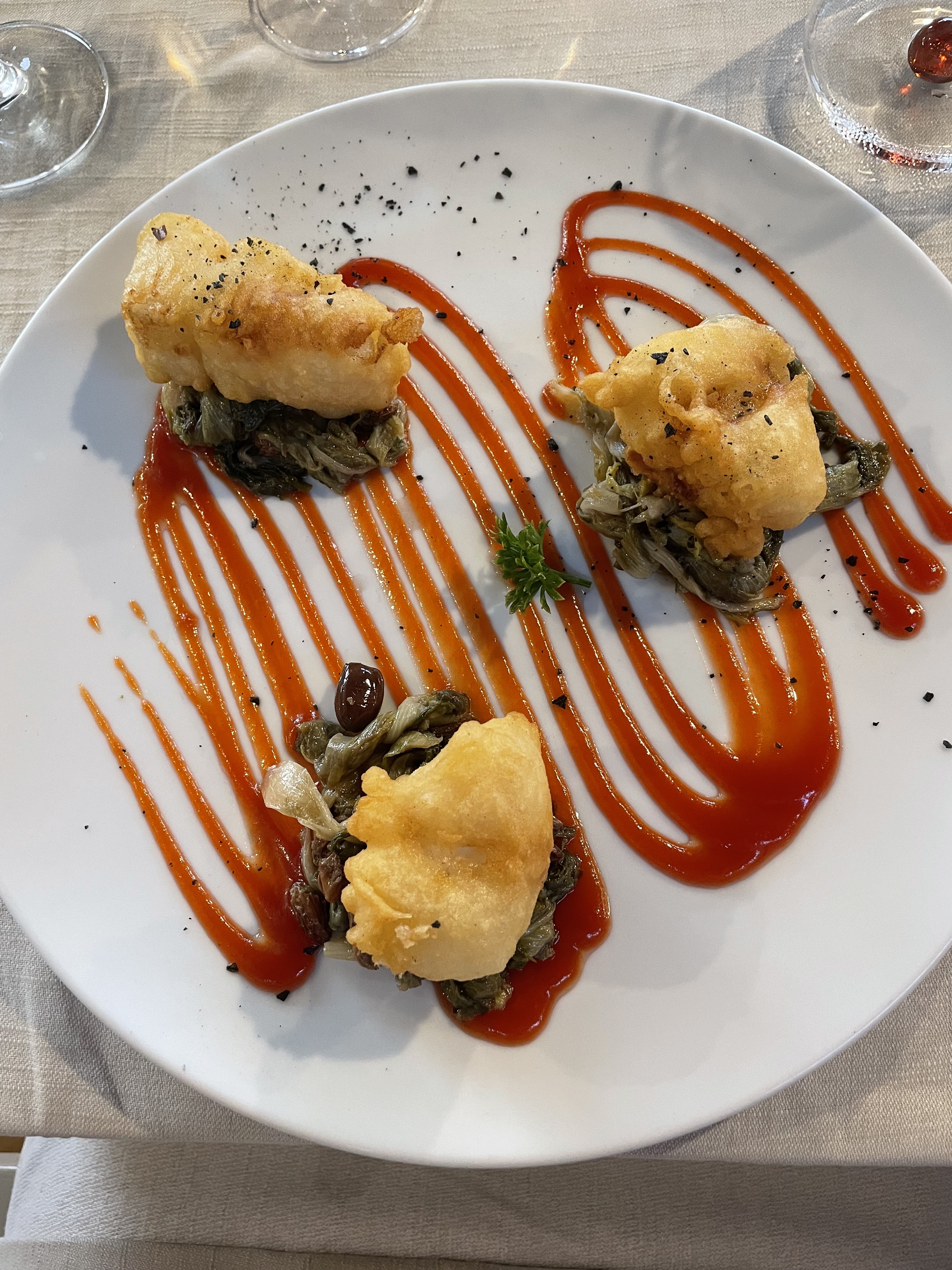
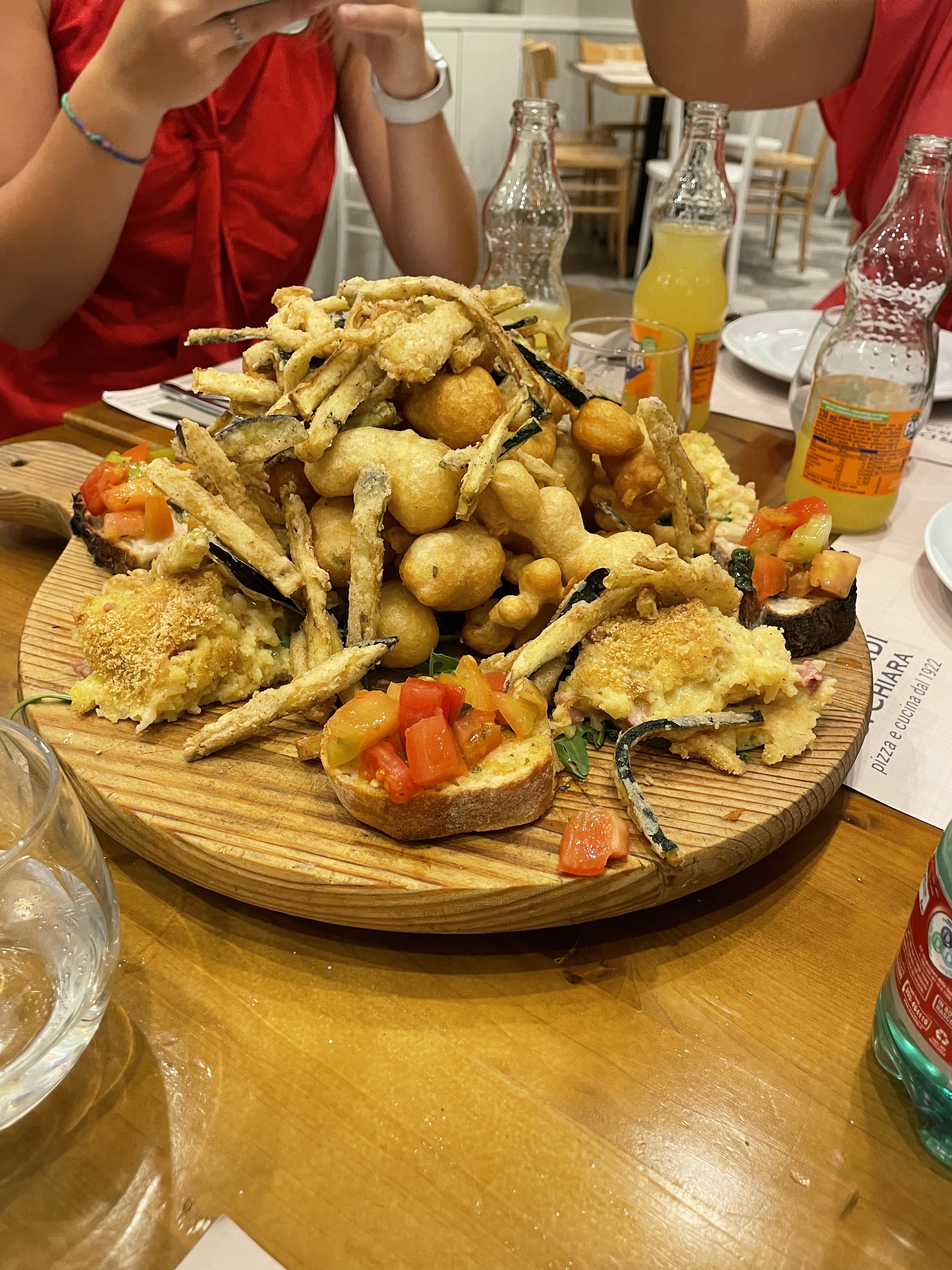
The typically large dinners consist of oil and pasta among other dishes. It poses a new question- If Italians consume oil and fats regularly, why do they have lower rates of heart disease and Diabetes? The answer lies in the all-natural and healthy fats. The truth is many of the vitamins in vegetables need fat in order to be absorbed into the body. Olive oil acts as a train that transports vitamins from the food to the body; explaining why fried food in Italy is cooked in olive oil, not canola oil used in the US.
The Mediterranean Diet
Although there aren’t trends that circulate through Italian culture, the diet of Southern Italy sparked a trend for the rest of the world known as the Mediterranean Diet. It was discovered in 1958 by Ancel Keys, the man responsible for K-rations in WWII. Keys was based out of the town of Pioppi, a small town just south of the Amalfi Coast. His study, known as the Seven Countries study, involved comparing the diets and life spans of 12,000 middle-aged men from Italy, the Greek Islands, Yugoslavia, the Netherlands, Finland, Japan, and the United States. Keys was surprised to find Southern Italians and Cretans incorporated nearly as much fat in their diets as less healthy societies. He connected fat with clogged arteries, but it’s now known vegetables need healthy fats for vitamins to be absorbed. Since that discovery, people have associated the Mediterranean diet with exceptional health and a plethora of benefits.
One study compared the effects of the Mediterranean diet and a low fat diet. Reports showed the Mediterranean diet was more effective at slowing the progression of plaque buildup in the arteries, a major risk factor for heart disease (Jimenez-Torres, 2021).
The Mediterranean diet has been shown to decrease insulin resistance, a condition impairing the body’s ability to use insulin to regulate blood sugar levels. (Moriconi, 2021).
Several studies show that the Mediterranean diet could be beneficial for brain health and protect against cognitive decline as you get older (Petersson, 2016).
The Mediterranean diet varies by region, due to the difference in food regulations. This explains why people are able to eat pasta here, and still follow the Mediterranean diet. However, to someone following the US version of the diet, they would be limited to all-natural ingredients. Sadly, they’re tougher to find in the US (not to mention more expensive).
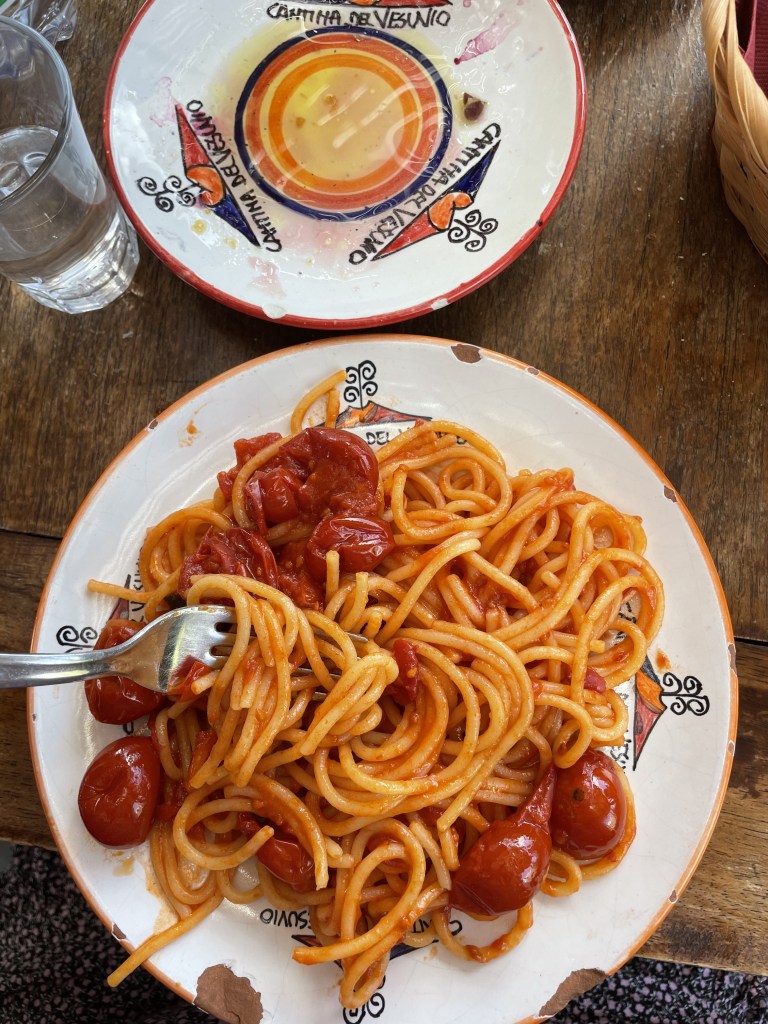
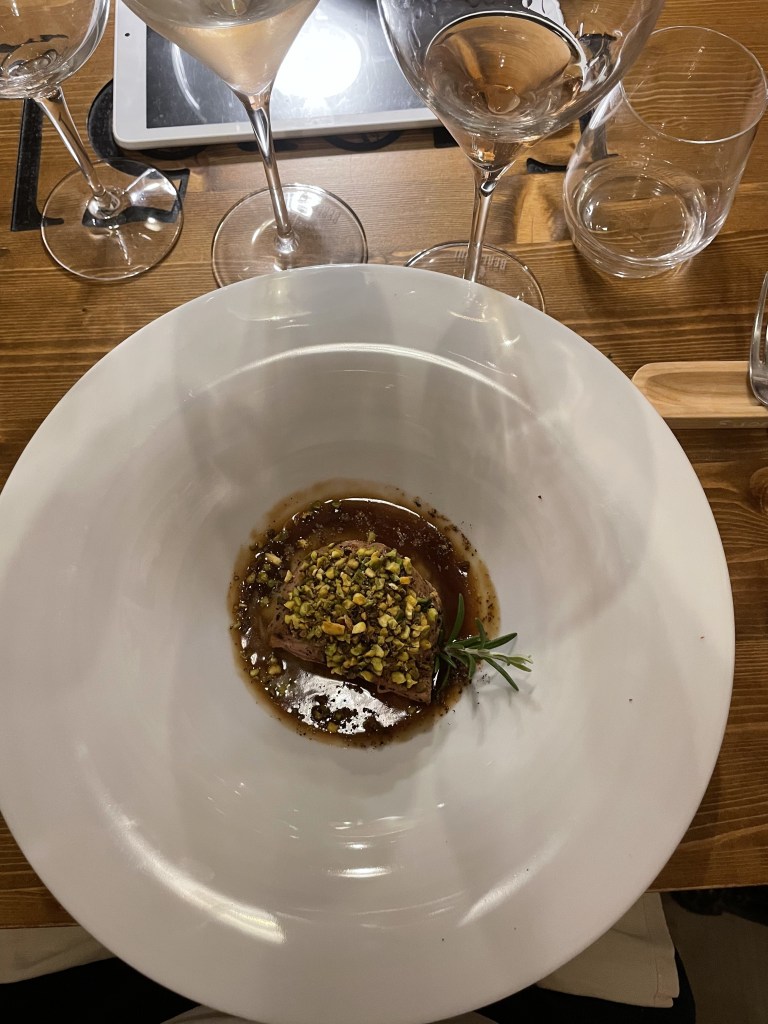
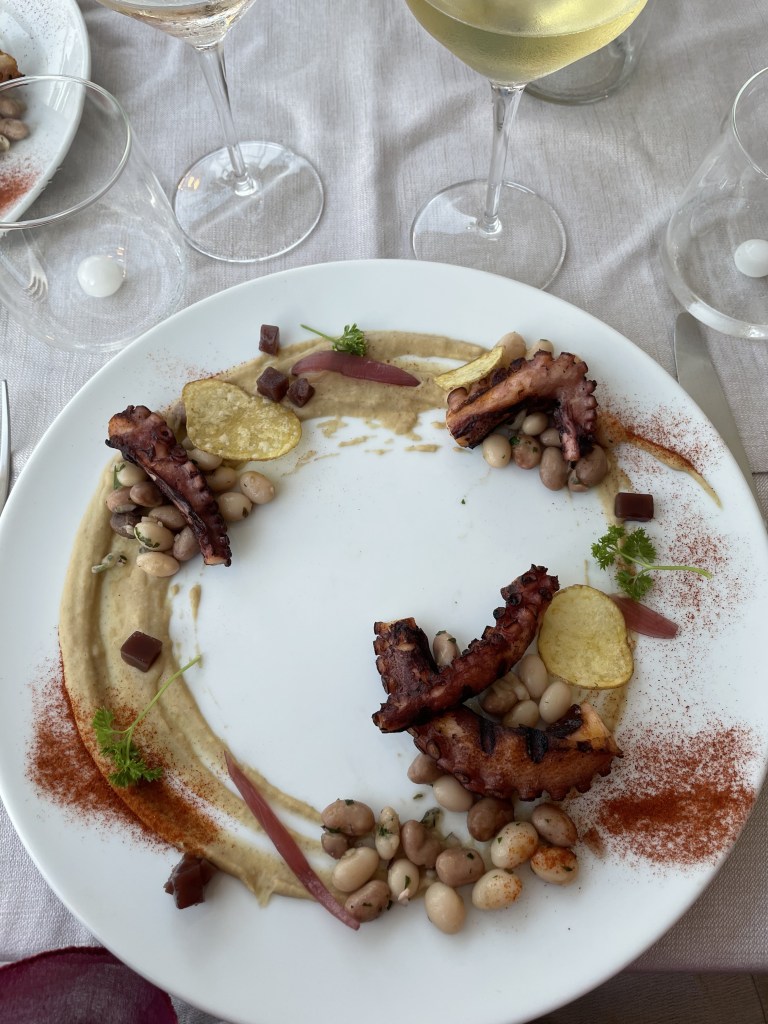
Personal Experiences
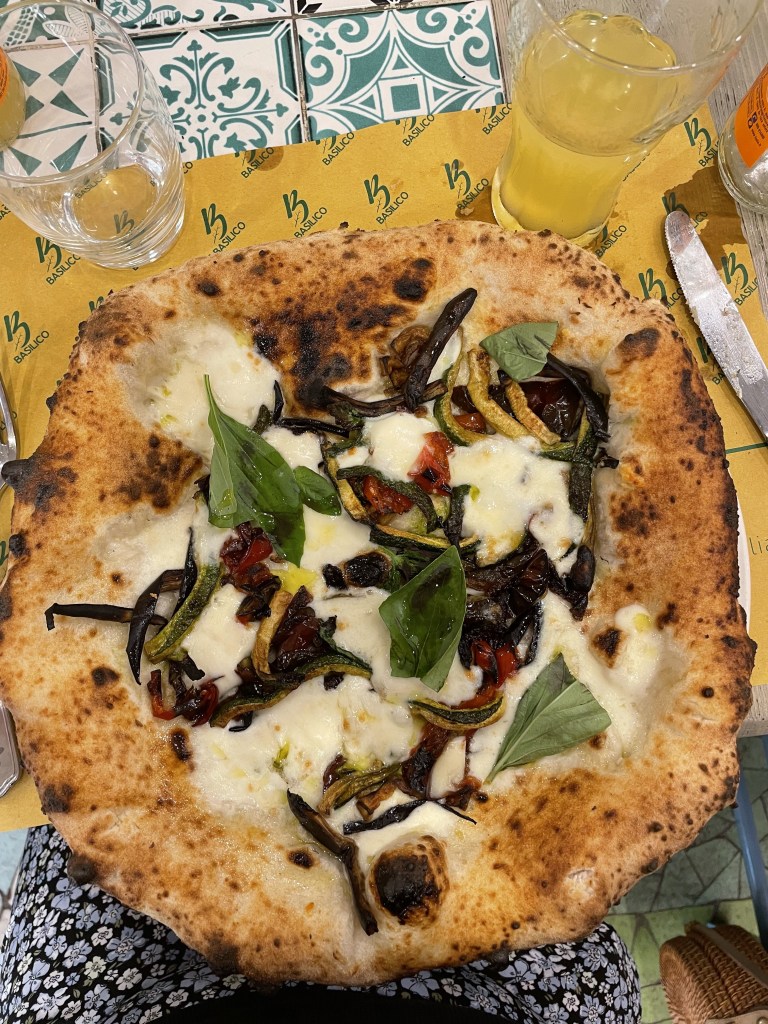
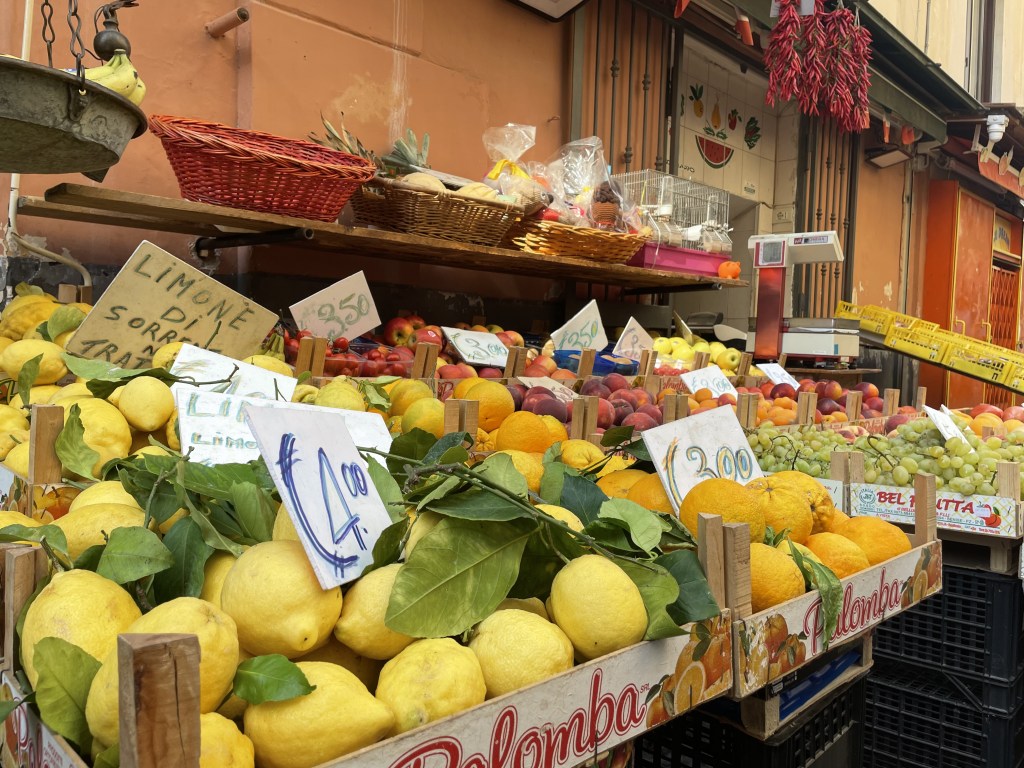
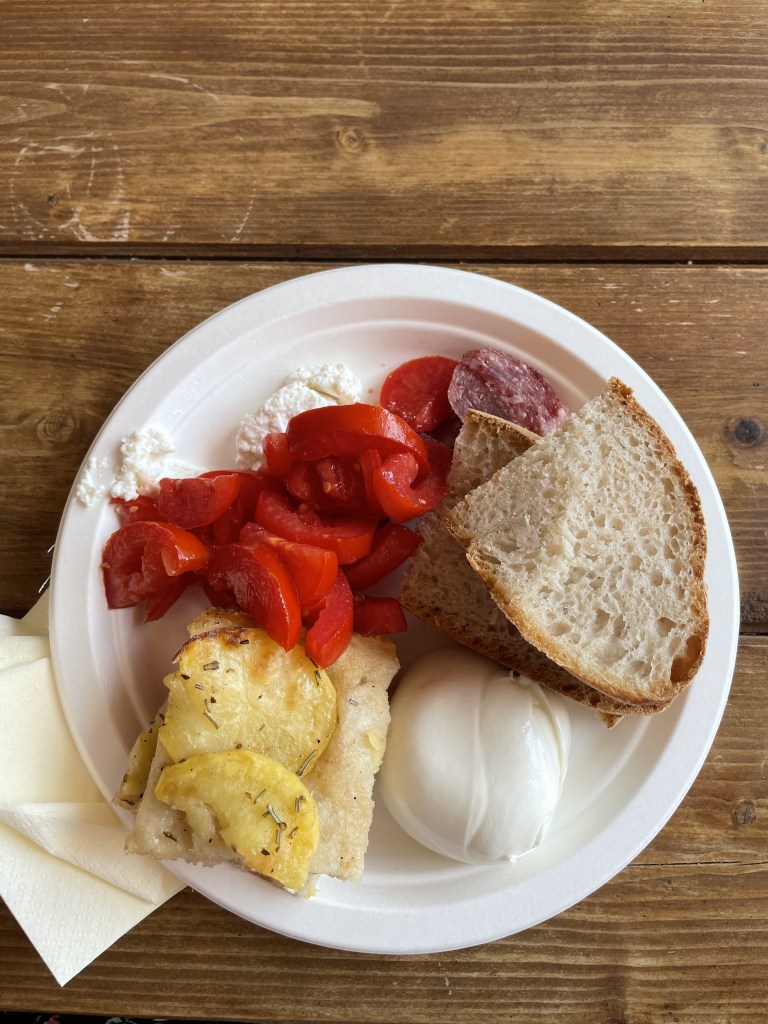
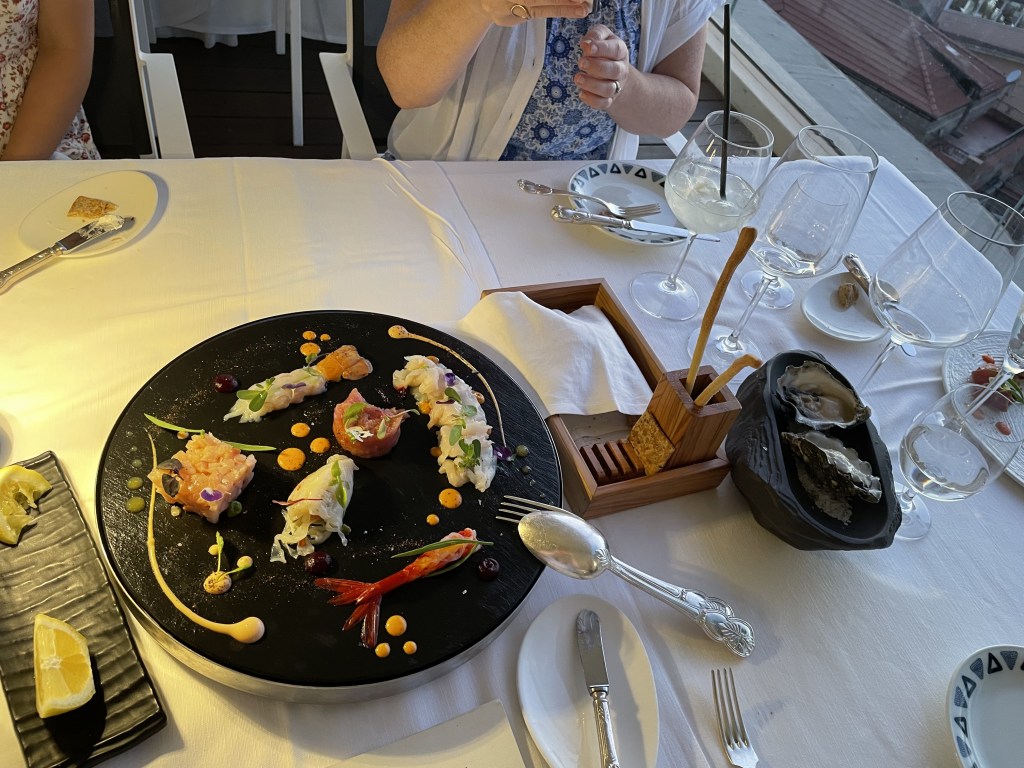
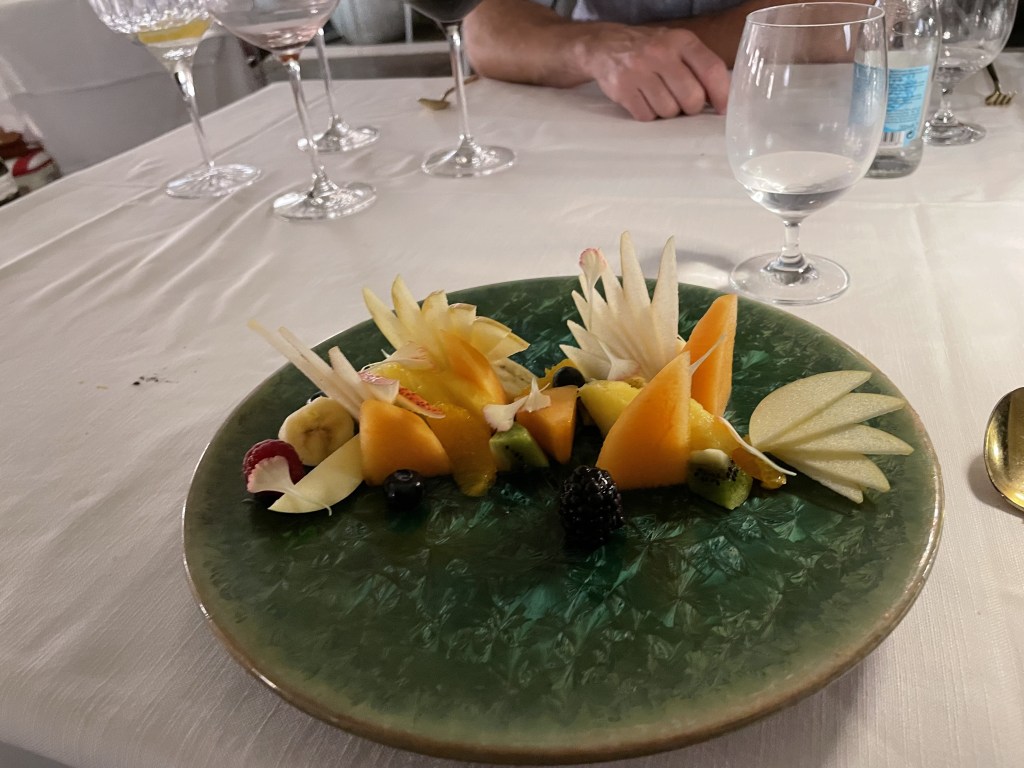
As a student traveling to Italy from the US, I definitely tasted and felt the difference in the food. I left meals not feeling heavy despite eating three to four courses. Grocery shopping was also a pleasant experience because produce was fresh, and therefore cheaper than the US. I could cook fresh meals for myself but since I was so excited to eat what I made, I couldn’t even stop to take a picture before eating. Many meals out made the no-picture club as well, but the meals pictured were unlike anything I could find in the states.
Works Cited
https://www.healthline.com/nutrition/mediterranean-diet-meal-plan#foods-to-eat
https://pubmed.ncbi.nlm.nih.gov/34372670/
 Erin Byrnes
Leave a comment